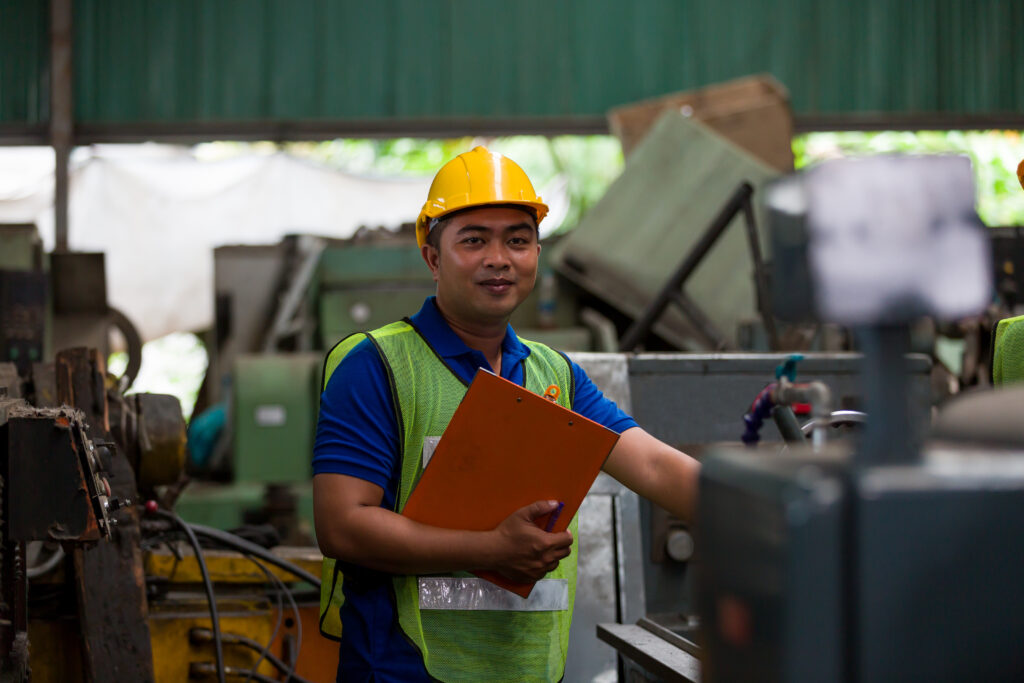
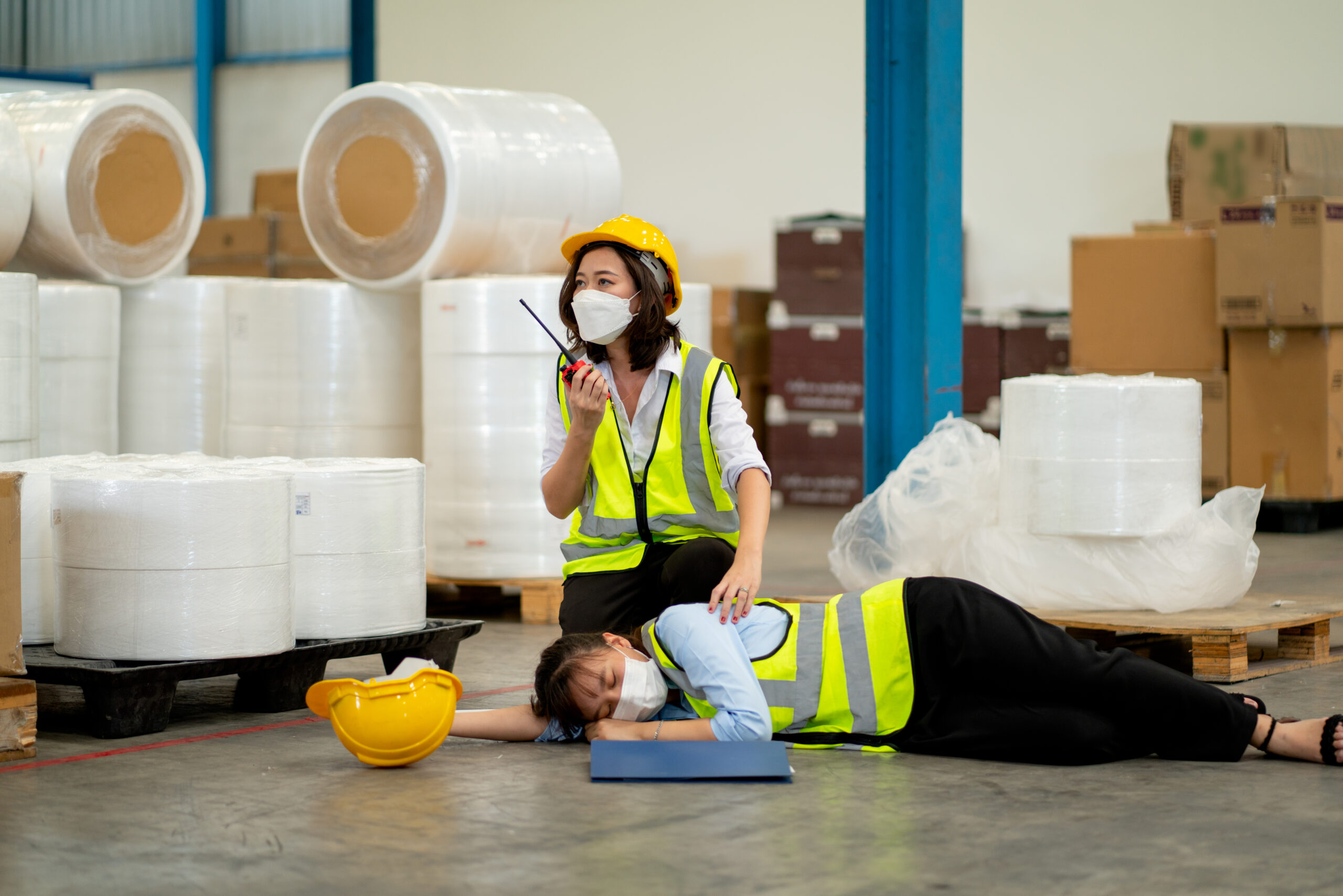
When organisations think about workplace hazards, the focus is often placed on obvious risks such as heavy machinery, construction work, or high-risk industrial environments. While these are important, many incidents actually stem from hazards that are far less visible, but far more common.
In Malaysia, the expectations for safety have evolved significantly under the Occupational Safety and Health Act 1994 (Amendment) 2022, where employers are required to take a proactive approach in identifying and managing risks across all aspects of the workplace. This includes not only physical dangers but also environmental, behavioural, and even psychosocial risks.
The reality is simple, many companies are not failing because hazards are unknown, but because they are overlooked. Understanding these hidden risks is the first step toward improving workplace safety Malaysia and building a stronger safety culture.
A. Poor Housekeeping
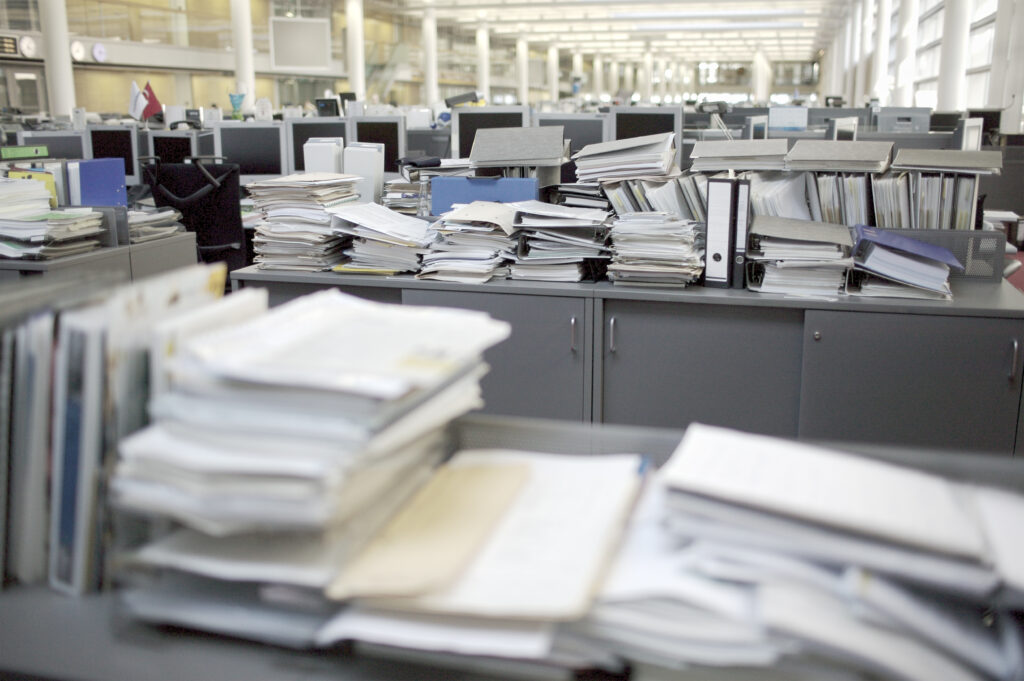
One of the most common yet underestimated workplace hazards is poor housekeeping. Cluttered walkways, spilled liquids, and improperly stored materials can easily lead to slips, trips, and falls.
These incidents may seem minor at first, but they are among the leading causes of workplace injuries. Effective hazard identification workplace practices should always start with maintaining a clean, organised environment, regardless of industry.
B. Improves Project Planning and Efficiency
Many assume that office environments are inherently safe, but ergonomic risks are a growing concern. Poor seating posture, improper workstation setup, and repetitive movements can lead to musculoskeletal disorders over time.
In today’s digital work environment, this type of workplace hazard is becoming increasingly common. Addressing ergonomics is essential not just for safety, but also for productivity and employee well-being.

C. Electrical Hazards
Electrical risks are often ignored until an incident occurs. Exposed wiring, overloaded sockets, and faulty equipment can result in serious injuries or even fires.
Regular inspections and proper maintenance are critical components of OSH compliance Malaysia, yet many workplaces fail to prioritise them. Preventive action in this area can significantly reduce risk exposure.
D. Poor Lighting
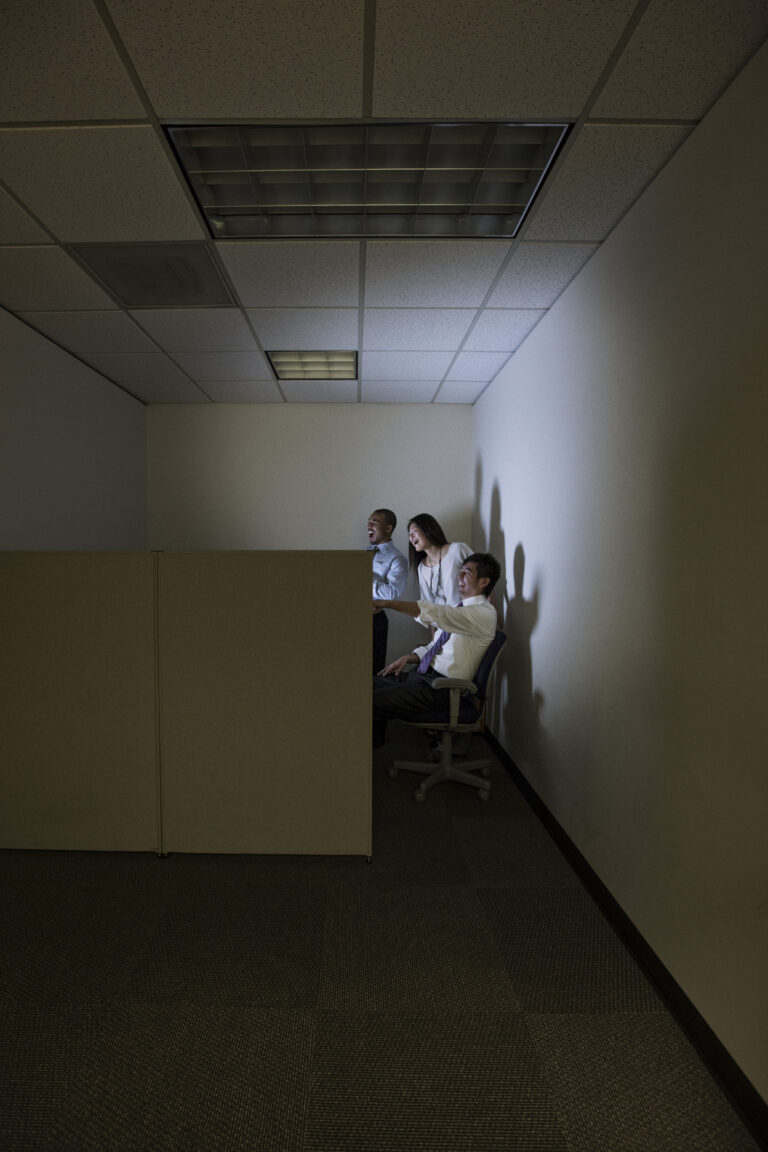
Lighting is rarely discussed as a major safety concern, but inadequate lighting can lead to eye strain, fatigue, and increased likelihood of accidents.
Employees working in dim or inconsistent lighting conditions may struggle with visibility, especially in operational environments. This affects both safety and efficiency, making it an important yet overlooked workplace hazard.
E. Lack of Proper Signage
Clear and visible signage plays a crucial role in communicating risks. When warning signs, emergency exits, or hazard indicators are missing or unclear, employees and visitors are left vulnerable.
In emergency situations, proper signage can make the difference between a controlled evacuation and chaos. This is why it remains a key aspect of effective hazard identification workplace practices.
F. Chemical Exposure (Even in Small Quantities)
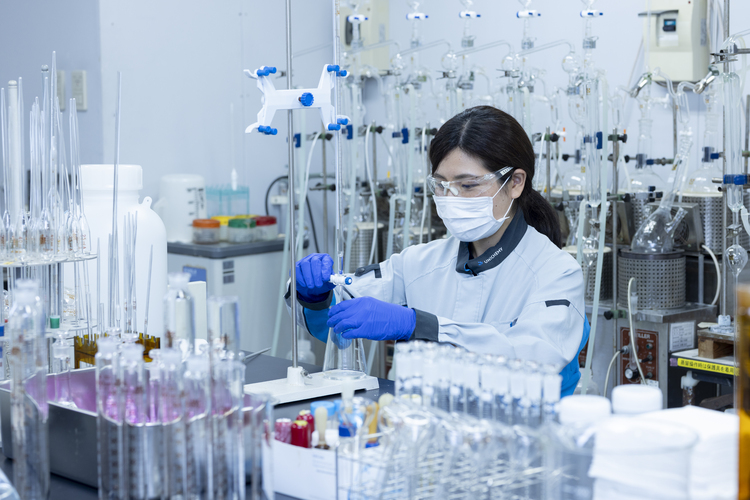
Chemical hazards are not limited to laboratories or industrial plants. Even common cleaning agents and maintenance chemicals can pose risks if not handled properly.
Without proper labelling, storage, and training, employees may unknowingly expose themselves to harmful substances. This highlights the importance of awareness and structured safety training Malaysia programmes to manage chemical risks effectively.
G. Poor Manual Handling Practices

Manual handling is a frequent cause of workplace injuries, particularly in roles involving lifting, carrying, or repetitive tasks. Incorrect techniques can lead to back injuries, muscle strain, and long-term health issues.
Despite its prevalence, this workplace hazard is often overlooked because it is seen as part of “normal work.” Training employees on proper techniques is essential to reduce these risks.
H. Noise Exposure
Prolonged exposure to high noise levels can result in permanent hearing damage. This risk is especially relevant in manufacturing, construction, and workshop environments.
Unlike immediate injuries, noise-related damage occurs gradually, making it less noticeable until it becomes severe. Monitoring and controlling noise levels is an important part of maintaining workplace safety Malaysia.
I. Psychosocial Hazards (Stress and Burnout)

Modern workplace safety goes beyond physical risks. Psychosocial hazards such as stress, burnout, and excessive workload are increasingly recognised as serious concerns.
Employees under constant pressure may experience reduced focus, increased errors, and declining mental health. These factors can indirectly contribute to workplace accidents, making them a critical part of OSH compliance Malaysia.
J. Lack of Safety Awareness or Training
Perhaps the most overlooked hazard of all is the lack of awareness. Many workplace risks persist not because they are unavoidable, but because employees are not trained to recognise and manage them.
Without proper safety training Malaysia, even the best policies and procedures become ineffective. Employees must understand their role in maintaining safety and be equipped with the knowledge to act accordingly.
Conclusion
The biggest challenge in managing workplace hazards is not always identifying new risks, but recognising the ones that already exist in plain sight. From poor housekeeping and ergonomic issues to psychosocial risks and lack of awareness, these overlooked hazards can have serious consequences if left unaddressed.
Organisations that prioritise hazard identification workplace practices and invest in workplace safety Malaysia initiatives are better positioned to prevent incidents and create a safer working environment for everyone.
This is where structured safety training and proper risk assessment frameworks become critical. By equipping employees with the right knowledge and practical skills, companies can move beyond compliance and build a truly proactive safety culture—one that protects both people and business in the long run.