Environmental Careers in Malaysia: How to Build a Career in Environmental Management
If you are considering an environmental career, you may already have noticed something confusing: there is no single job called ‘environmental management’.
Environmental careers in Malaysia cover industrial compliance, consultancy, pollution control, waste management, environmental impact assessment, auditing, sustainability and public-sector work. That variety creates opportunities for graduates, HSE practitioners, engineers and career changers, but it can also make the first step difficult to identify.
Here is the practical reality. A degree can give you a strong foundation, but employers rarely recruit on academic qualifications alone. They also need people who can interpret requirements, inspect workplaces, analyse information, explain findings and turn environmental commitments into workable controls. A credible environmental management career is therefore built through a combination of education, relevant skills, workplace exposure and, for certain responsibilities, recognised professional competency.
What Is Environmental Management?
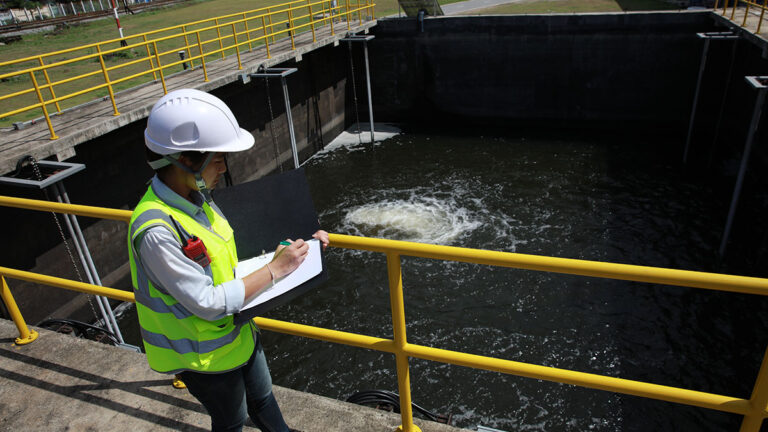
Environmental management is the organised process of identifying, controlling and reducing the environmental effects of an organisation’s activities. Depending on the workplace, this may involve managing scheduled waste, monitoring industrial effluent, controlling air emissions, supporting environmental impact assessment commitments, maintaining an ISO 14001 environmental management system or advising management on legal compliance.
The work is not limited to protecting forests or wildlife. In industrial settings, environmental professionals inspect facilities, review monitoring data, maintain records, investigate non-compliance and communicate with regulators and operational teams. According to TalentCorp’s Malaysian Skills Registry, environmental and occupational health professionals are described as people who assess, plan and conduct programmes to identify, monitor and control environmental factors that may affect health and workplaces.

Why Consider an Environmental Career in Malaysia?
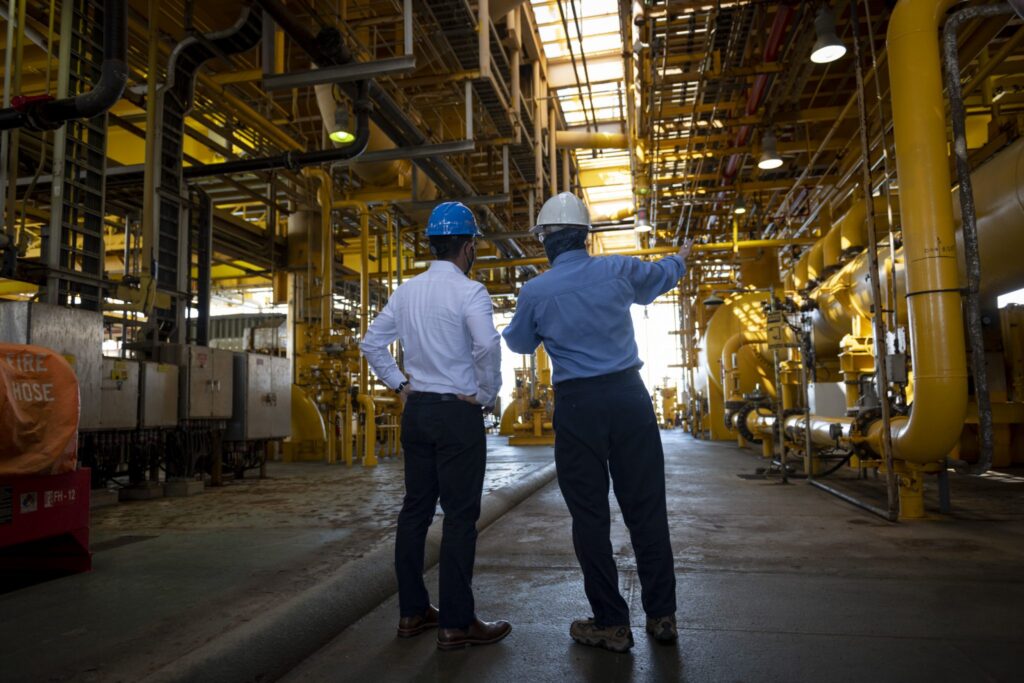
Environmental responsibilities appear across manufacturing, construction, infrastructure, utilities, waste services, plantations, property development, consulting and government-linked activities. Some roles are office-based and analytical; others involve inspections, sampling, treatment systems and direct engagement with operations.
However, do not choose the field only because ‘green jobs’ sound meaningful. Environmental work can involve extensive documentation, difficult trade-offs and pressure when project deadlines conflict with compliance obligations. If you are comfortable asking difficult questions, recording evidence accurately and explaining why a control matters, even when it adds work or cost, you may be well suited to the profession.
Environmental Career Options in Malaysia
The exact job title varies between organisations. Common environmental career opportunities include the following roles:
1. Environmental officers
Coordinate site compliance, inspections, monitoring, records and corrective actions.
2. Environmental consultants
Support assessments, monitoring programmes, audits, regulatory submissions and client advice.
3. Environmental managers
Oversee policies, performance, legal registers, management systems and organisational improvement.
4. Environmental auditors
Evaluate whether activities and systems meet defined requirements.
5. Sustainability professionals
Work on environmental performance, reporting, resource efficiency, climate-related initiatives and stakeholder communication.
6. Technical specialists
Work on environmental performance, reporting, resource efficiency, climate-related initiatives and stakeholder communication.
These categories overlap. You may begin in site compliance, develop expertise in pollution control and later move into management, auditing or consulting. Plan around the problems you want to solve, not merely the most impressive job title.
Qualifications for an Environmental Management Career
When job advertisements ask for environmental qualifications, they may be referring to three different things: academic education, role-specific professional competency and practical experience. Treating them as interchangeable is a common career-planning mistake. Let us separate them clearly.
A. Academic Qualifications
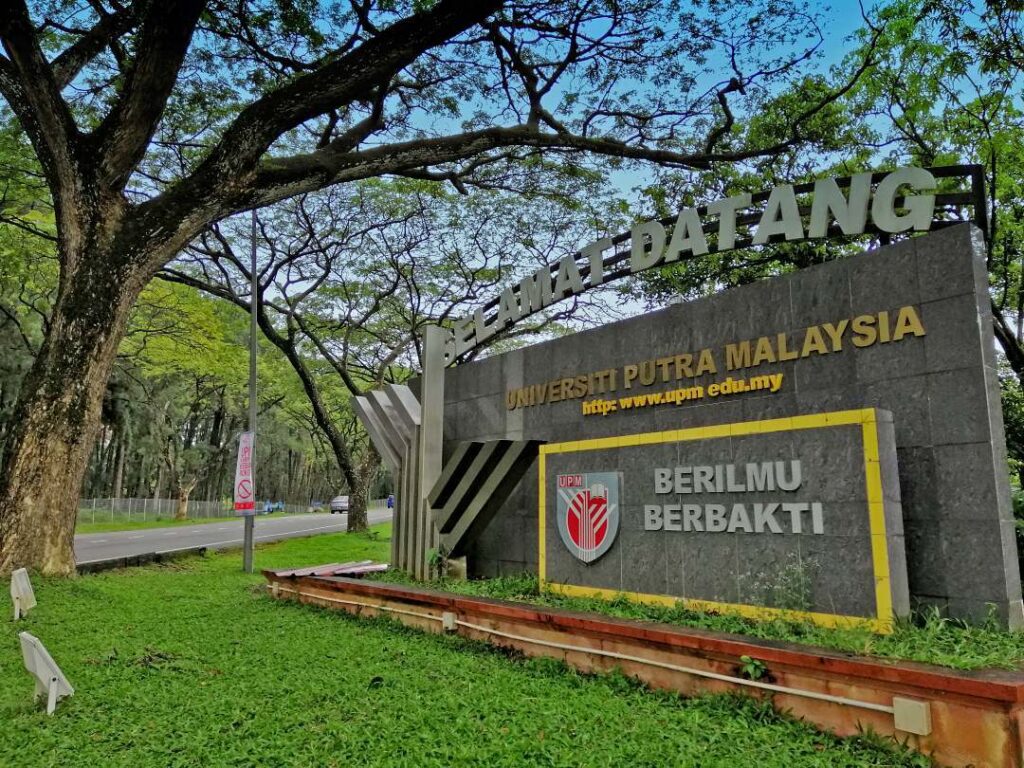
Relevant academic backgrounds may include environmental science, environmental engineering, chemical or civil engineering, chemistry, biology, ecology, occupational safety and health, sustainability or related disciplines. The best fit depends on the work you want to perform. Designing or operating a treatment system, for example, demands a different technical foundation from environmental policy, auditing or sustainability reporting.
No degree automatically guarantees an environmental job, and an adjacent qualification does not necessarily exclude you. Employers consider whether your education supports the role and whether you can apply it in context.
B. Professional Competency and Certification
A professional competency programme is not simply another academic credential. It normally prepares and assesses a person for a defined workplace responsibility. This distinction matters because an employer may need a person with a particular competency for a particular environmental function, rather than someone who has collected several unrelated certificates.
The Environment Institute of Malaysia (EiMAS) is a training centre under the Department of Environment Malaysia and provides training to DOE personnel and industry in environmental pollution control under the Environmental Quality Act 1974 (DOE Malaysia).
EiMAS lists industry certification programmes covering areas such as scheduled waste management, industrial effluent treatment, sewage treatment, air-pollution-control equipment and environmental officer responsibilities for EIA projects (EiMAS courses for industry).
Certified competent persons may be listed through the National Registry of Certified Environmental Professionals, or NRCEP, which EiMAS describes as the system used to manage competent-person certification and competency profiles (EiMAS environmental professional certification programme).
Choose a pathway according to the responsibility you intend to perform. CePSWaM may be relevant to scheduled waste management, while CePIETSO pathways relate to industrial effluent treatment and CePEOEIA relates to environmental officer work for EIA projects. You should not assume that every certificate is necessary (or useful) for every environmental career.
C. Practical Environmental Experience
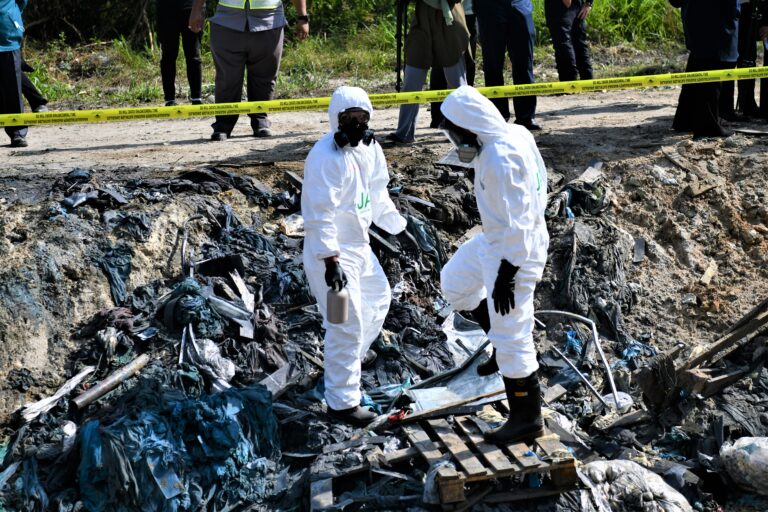
Qualifications may help you reach the interview, but practical evidence helps an employer trust you with the work. Useful exposure can include site inspections, monitoring records, scheduled-waste inventories, audit findings, environmental reports, corrective-action tracking and pollution-control operations.
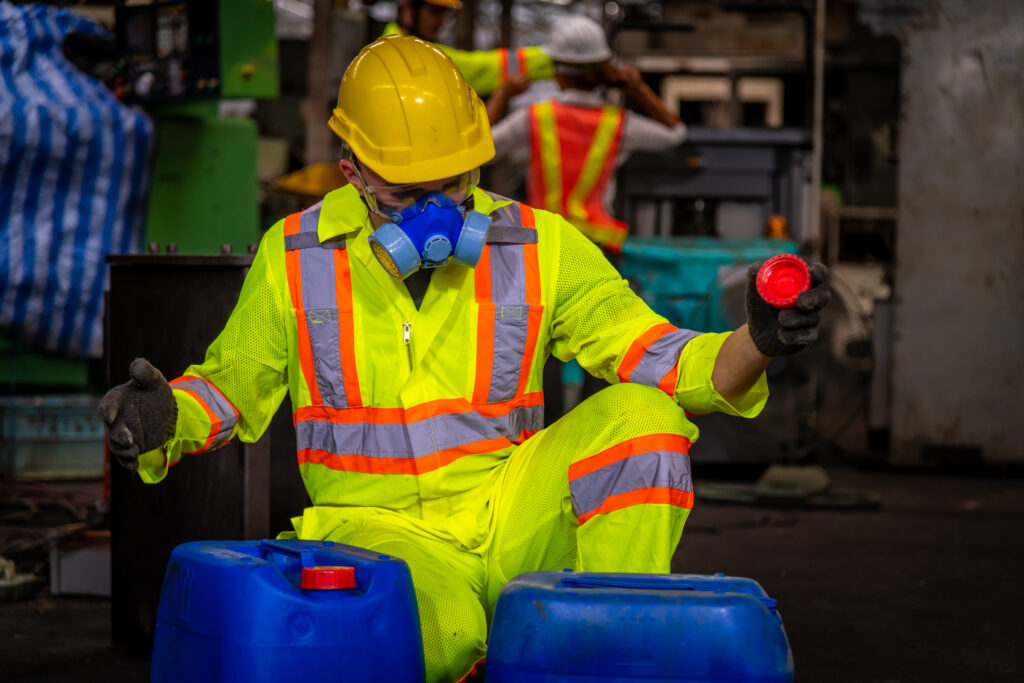
Scheduled waste shows why this experience must be specific. DOE states that scheduled waste handling must comply with the Environmental Quality (Scheduled Wastes) Regulations 2005 and that recovery or disposal must take place at premises licensed by the Department (DOE scheduled waste information). Knowing the rule is important; being able to maintain records, inspect a storage area and recognise a weak practice is what makes that knowledge useful at work.
Essential Environmental Management Skills
A qualification tells an employer what you have studied. Your skills show what you can actually do with that knowledge. Although job titles differ, capable environmental professionals repeatedly rely on the same core abilities:
- Regulatory awareness – finding, interpreting and applying requirements relevant to the workplace.
- Inspection and auditing – identifying gaps, gathering evidence and following corrective actions through to completion.
- Technical reporting – turning observations and monitoring results into accurate, defensible records.
- Data literacy – recognising trends, abnormal results and weaknesses in environmental performance.
- Communication – explaining technical issues clearly to management, workers, contractors and external stakeholders.
- Professional judgement – knowing when an issue can be handled internally and when specialist or regulatory advice is required.
Communication is especially easy to underestimate. You can understand a legal requirement perfectly and still be ineffective if an operational team does not understand what must change, who is responsible and how control will be maintained. Technical credibility matters, but so does the ability to bring other people with you.
How to Gain Environmental Experience
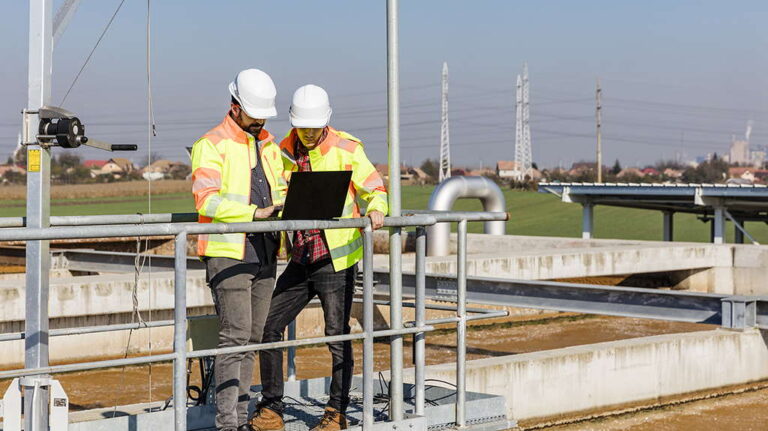
You may be thinking: ‘How can I gain experience without first getting the job?’ Waiting for the perfect title is not the only answer. Look for supervised opportunities that produce evidence of practical capability.
Internships, industrial training, apprenticeships, graduate trainee programmes and junior HSE positions can all provide a starting point. These opportunities may offer exposure to environmental inspections, monitoring, waste management, treatment systems, laboratory work and compliance documentation. TalentCorp’s MySIP programme, for example, connects eligible students with paid, structured internships designed to provide meaningful workplace exposure (TalentCorp MySIP).
Whatever the programme is called, examine the work, not just the label. A worthwhile placement should provide supervision and exposure to activities such as inspections, monitoring records, waste inventories, environmental reports or management systems. Training supports knowledge, but a stronger portfolio shows what you have inspected, analysed, documented or improved under appropriate guidance.
Environmental Career Progression
There is no universal career ladder. One possible route runs from graduate, technician or junior executive to environmental officer or specialist, then to senior specialist, consultant, auditor or environmental manager. Others move into sustainability, integrated HSE management, training or consultancy.
Progression is rarely determined by certificates alone. Employers look for evidence that a practitioner can manage increasingly complex responsibilities, communicate with decision-makers, respond to non-compliance and maintain reliable systems. Professional competency may open access to particular functions, but credibility is built through consistent performance and sound judgement.
Building a Meaningful Environmental Career
Environmental careers in Malaysia are broad enough to welcome people with different academic backgrounds, working styles and professional interests. The common thread is responsibility: practitioners must translate environmental requirements and scientific information into actions that workplaces can understand, implement and verify.
If you are new to the field, resist the temptation to collect every available certificate before deciding where you are going. Start by choosing a realistic direction, studying actual job requirements and developing the combination of knowledge, competency and experience that those roles demand. If you already work in HSE, environmental specialisation can broaden your technical capability and help you support more integrated workplace management.
MySHEQA shares environmental training and knowledge resources for professionals and organisations seeking to strengthen practical competency and environmental performance. Whatever pathway is chosen, continuous learning should support (not replace) the discipline of applying knowledge carefully in real workplaces.
Concerned about the hidden costs of workplace incidents? Prevention is always more cost-effective than reaction. MySHEQA’s OSH Coordinator, HIRARC, Safety Leadership, and Workplace Safety Management programmes equip organizations with the knowledge and practical tools needed to identify risks early, strengthen safety culture, and prevent incidents before they disrupt productivity, damage morale, or impact business performance.