
Your IETS Is Warning You: Early Signs of Industrial Effluent Treatment Problems
The laboratory result arrives, and one parameter is moving in the wrong direction. Attention immediately turns to the final discharge point. Was the sample taken correctly? Is the reading still acceptable? Should another sample be sent to the laboratory?
Those questions matter, but they begin near the end of the story. An Industrial Effluent Treatment System (IETS) rarely shifts from stable to trouble without leaving earlier clues. Operators may notice that pH takes longer to settle, chemical use rises, sludge behaves differently or a pump no longer sounds quite right. Individually, these changes can appear minor. Together, they may show that the process is losing stability.
The Department of Environment (DOE) website describes IETS performance monitoring as a proactive and preventive procedure intended to help ensure optimum operation. In practical terms, this means routinely comparing current process readings and operating conditions with the system’s normal control ranges. The purpose is to recognise deterioration early instead of waiting for the result to begin the first serious conversation.
First Establish What Normal Looks Like
A warning sign only means something when it can be compared with a normal operating condition. One unusual reading does not automatically prove that the system is failing. It may reflect a production change, a sampling issue, an instrument problem, a maintenance activity or a genuine process upset. The operator’s job is to investigate the pattern rather than jump to the most dramatic conclusion.

A useful operating baseline therefore includes more than final effluent results. It connects incoming flow and characteristics with process readings, chemical consumption, equipment condition, sludge behaviour and operational events. Once the team understands that normal pattern, departures from it become easier to recognise and investigate.
Once that baseline exists, small departures become useful information. The following warning signs are not diagnoses by themselves. They are prompts to look more closely and ask what changed upstream, inside the treatment process or in the way the system is being operated.
Warning Sign 1: pH Becomes Difficult to Control
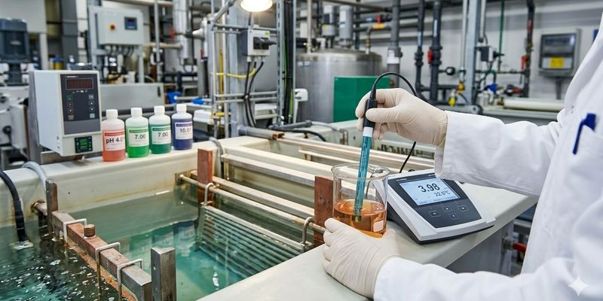
A pH reading that swings repeatedly, responds slowly or requires constant adjustment deserves attention. The instinct may be to increase chemical dosing, but that can hide the symptom without identifying the cause. Incoming effluent may have changed, the flow may be uneven, a dosing pump may be inconsistent, mixing may be poor or the pH instrument may require checking.
Start with verification. Compare the online value with an appropriate independent check, review recent production activities and examine the dosing and mixing arrangement. A correction should be based on evidence. Otherwise, the plant may consume more acid or alkali while the real problem remains untouched.
Warning Sign 2: Chemical Use Rises Without a Clear Reason
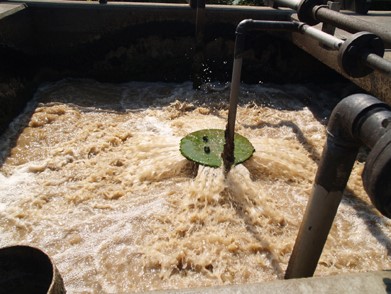
Chemical consumption can drift upward so gradually that it becomes the new normal. If production volume and influent characteristics have not changed, a sustained increase deserves investigation. Overdosing, deteriorating chemical strength, poor preparation, inaccurate flow measurement, ineffective mixing or a change in raw effluent can all affect demand.
The useful measure is not simply how many containers were purchased. Compare chemical use with the volume treated and with the results achieved. If the plant is using more chemical for the same or poorer outcome, the issue is not merely purchasing cost. It is evidence that efficiency or process control may be weakening.
Warning Sign 3: Sludge No Longer Behaves Normally
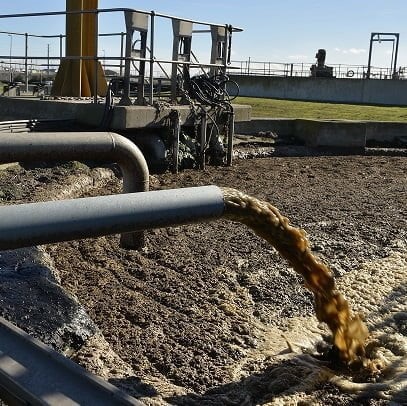
Sludge tells part of the treatment story. Operators may notice poor settling, carryover, excessive accumulation, unusual colour, persistent foam or dewatering that suddenly becomes difficult. In a biological system, changes may relate to loading, aeration, biomass condition or toxic shock. In a physical chemical system, they may involve dosing, coagulation, floc formation or separation. The exact interpretation depends on the process.
This is why visual observation should be recorded rather than left as informal knowledge in one operator’s head. A photograph, settling observation and short log entry can help the next shift compare what it sees and relate the change to operating data.
Warning Sign 4: Equipment Starts Behaving Differently
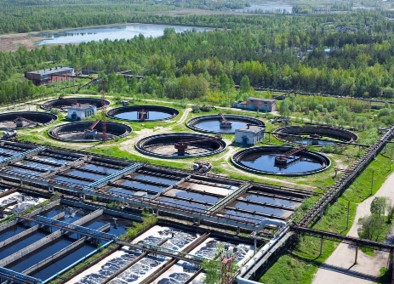
Treatment performance depends on ordinary equipment doing its job consistently. A pump that cycles more often, a blower that sounds different, a flowmeter that gives implausible values or a dosing line that repeatedly blocks can alter the treatment process before anybody sees a dramatic final result.
Operators are often the first people to notice these changes because they know the plant’s normal sounds, vibration and response. That knowledge should trigger a documented inspection and maintenance response. It should not remain a comment passed between shifts until the equipment fails.
Warning Sign 5: Odour Foam Colour or Clarity Changesy

An unusual smell, persistent surface foam, darker liquid or reduced clarity may indicate that something has changed, but appearance alone cannot identify the cause. The value of the observation lies in combining it with data. When did it begin? Which process stream was active? Did the flow, pH, aeration, chemical dose or sludge condition change at the same time?
Sensory observations must also be handled safely. Nobody should deliberately inhale vapours or approach an unsafe area to confirm an odour. If an observation suggests a hazardous release or abnormal condition, the site’s safety and emergency procedures take priority over informal investigation.
Warning Sign 6: Results Drift Towards the Edge
A result does not need to cross a limit before it becomes useful. Several readings moving steadily towards an internal action level may provide a better opportunity to intervene than one result examined in isolation. Performance monitoring allows operators to recognise a developing problem by comparing current readings with the system’s normal control ranges. When the pattern changes, the direction and rate of change can matter as much as the latest number.
Warning Sign 7: Records Stop Telling One Consistent Story
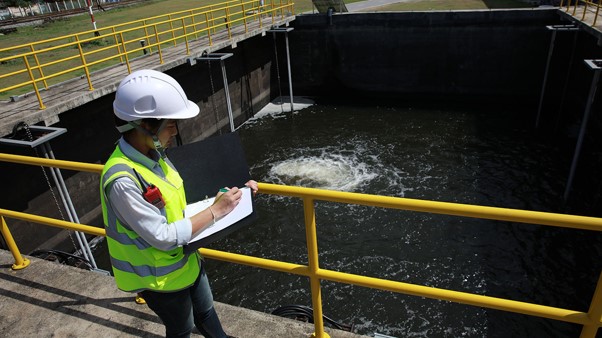
Sometimes the strongest warning sign is not in a tank. It is in the records. Flow figures do not match chemical use. Maintenance logs show repeated breakdowns without a lasting corrective action. Production changes are not reflected in the IETS log. One shift reports an upset that the next shift knows nothing about.
These gaps make troubleshooting slower because the team must reconstruct events after the fact. A useful log records what changed, when it changed, what action was taken and what happened next. Good records do not replace operator judgement; they allow that judgement to accumulate instead of disappearing at every shift change.
Do Not Troubleshoot One Reading at a Time
An Industrial Effluent Treatment System (IETS) is a connected process. Changing one setting can affect another part of the system, and the visible symptom may appear downstream from its cause. Before adjusting several controls at once, confirm the reading, review recent production and maintenance events, compare related parameters and identify the most plausible causes. Make controlled changes where safe and authorised, then observe whether the expected response occurs.
This avoids a common trap: responding to every unusual value with more chemical, more aeration or another hurried adjustment. When several variables are changed together, the plant may improve temporarily, but nobody learns which action worked. The same problem then returns with the same uncertainty.
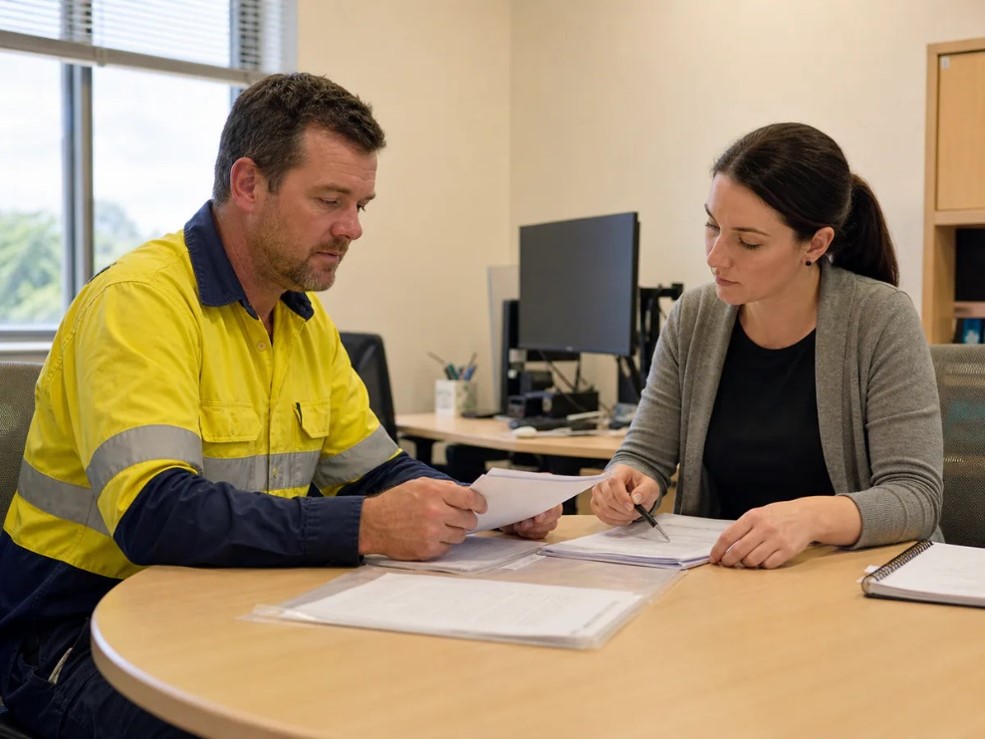
CePIETSO practitioners are expected to discuss performance data, instrument calibration, equipment maintenance, upset conditions, corrective actions and preventive measures. That combination is important. Reliable troubleshooting depends on technical knowledge, disciplined monitoring and the ability to explain why a response is justified.
Turn Early Warnings Into Better Decisions
The goal is not to make operators anxious about every fluctuation. It is to build enough understanding to distinguish normal variation from a developing problem. That requires suitable instruments, clear control ranges, reliable maintenance, communication with production teams and people who understand the treatment process they are responsible for.
EiMAS currently lists competency pathways for operating IETS biological processes and physical chemical processes, known as CePIETSO BP and CePIETSO PCP. Beyond initial competency, targeted professional development can help practitioners strengthen troubleshooting, performance monitoring, process interpretation, cost control and the use of digital tools for analysing operating data.
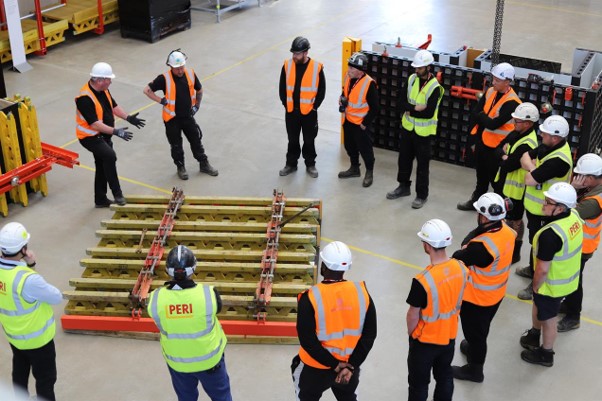
Training is most valuable when it answers a real operational need. A team struggling with rising chemical consumption may need stronger dosing and process-control skills. A plant with scattered data may benefit from learning how to organise trends and identify relationships. A recurring equipment upset may point to gaps between operations and preventive maintenance. The subject should follow the problem, not the desire to collect another certificate.
The final discharge result will always matter, but it should confirm that the treatment system is under control rather than deliver the first warning that it is not. When operators notice small changes, connect them with reliable data and respond methodically, the IETS becomes easier to understand, less expensive to operate and better prepared to absorb the next change in production.